What Actually Decides Which Spice Notes Make It Into a Bottle
Clove, saffron, and other "lesser known" spice notes in perfume are shaped less by scent than by Madagascar's clove shortage, saffron fraud risk, and an EU allergen rule hitting eugenol in 2026.

By Rafael Mendes Grooming and style
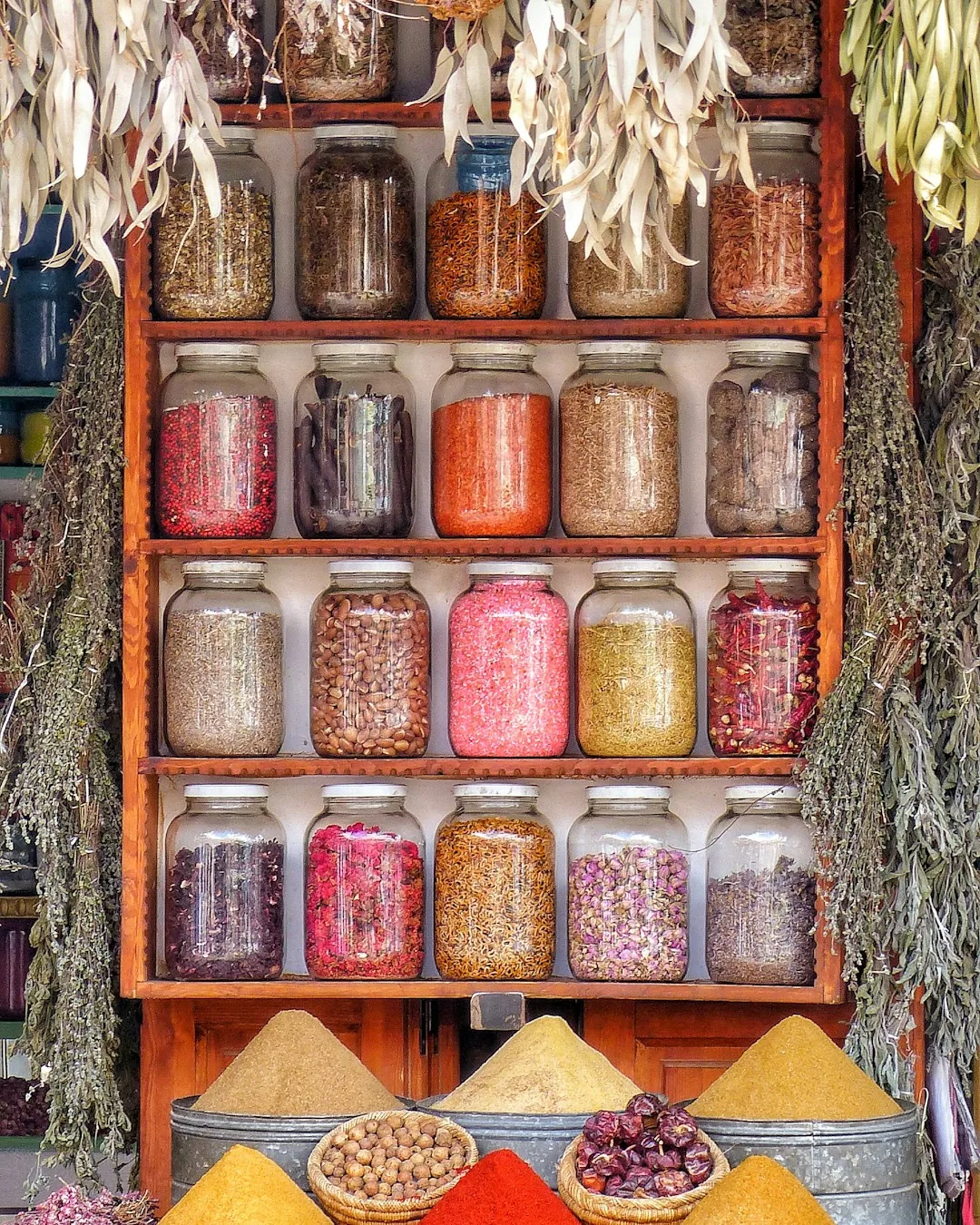
Clove, caraway, galangal, mace: the spice notes that fragrance writers call "lesser known" usually mean lesser smelled, not lesser grown. Most of them arrive in a bottle only after clearing two filters that have nothing to do with how they smell on skin. The first is agricultural. The second is regulatory. Both have gotten tighter this year, and the tightening explains more about why a note shows up as a synthetic accord than any essay on olfactive character does.
Start with clove, the most commercially familiar of the group and the clearest case study. Nearly all of the world's clove bud oil traces back to Madagascar, and the island's 2024-25 harvest came in at roughly 10,000 metric tons against a usual yield near 18,000, according to commodity trade reporting on the clove market. Whole-clove FOB prices were running around $7,100 to $7,700 per metric ton in early November, with little rebound expected for the 2025-26 season. A perfumer sourcing natural clove bud oil right now is buying into a shortage, not a tradition.
Madagascar's vanilla trade, which runs through the same ports and often the same exporters as clove, is in its own kind of disorder. New export licensing rules, a suspended fee structure, and exporter pushback over a proposed jump from 80 export permits to roughly 300 have kept the system unsettled through this year, according to Madagascar trade press covering an 18-month export recovery plan. Spice and resin naturals used in fragrance do not sit outside agricultural economics. They move through the same volatile supply chains as the vanilla everyone already knows is fragile.
Saffron carries a different kind of instability: fraud. Culinary and textile markets consume almost all global saffron production, and the small slice perfumery draws on is adjacent to a well-documented food-fraud category. A 2019 case spanning the UK and Spain involved roughly 90 kilograms, worth about £750,000, of counterfeit saffron cut with safflower, marigold, or plant fiber, according to reporting from the time on the joint investigation. Standard ISO 3632 purity testing can miss adulteration up to around 20 percent by weight. There is no direct evidence that perfumery-grade saffron absolute faces the same tampering as culinary saffron, but the two markets draw from overlapping harvests and middlemen, which is reason enough for a perfumer or buyer to ask for paperwork rather than take a supplier's word for it.
The regulatory filter matters just as much, and it is about to get wider. Eugenol, the aromatic compound that gives clove and much of cinnamon its character, sits on the European Union's list of fragrance allergens requiring on-label disclosure above 0.001 percent in leave-on products like perfume. EU Regulation 2023/1545 expanded that mandatory-disclosure list from 26 substances to around 80, and the expanded list takes effect in July 2026. Formulators working toward that date are recalculating dosages on exactly the naturals that give spice notes their recognizable edge.
That deadline creates a quiet contradiction running through niche and indie perfumery writing, including the kind that dwells on rare or underused spice materials. A house can market a fragrance around a natural like clove bud or cinnamon leaf, but the version that ships is often built to a dosage cap set by an allergen threshold, not by the perfumer's nose. Pink peppercorn is a case in point: it reads on a strip as a bright, natural-seeming top note, but industry formulators have long leaned on synthetic recreation to deliver that effect reliably, since the natural extraction is inconsistent and comes with its own cost swings.
None of this means the materials are disappearing. It means the distance between what a bottle's copy describes and what is actually in the juice is widening, and the allergen list taking effect next July will widen it further. A spice note that smelled identical in 2015 and in 2026 likely got there by a different route each time, through a different supplier, a different synthetic ratio, and a different set of compliance paperwork that never makes it onto the sales floor.
Related
-
 Inside KOT: What Fischersund's Cottage-Named Fragrance Actually Smells Like
-
 Amber Orchid Has a Winner. Its Base Note Is the Real Story
-
 Behind Les Abstraits' Philosopher's Walk, One Supplier Is Quietly Stamping Niche Perfumery's "Grand Cru" Materials
-
 Sora Dora's Raphael Trades Sweetness for a Base Built Like Stone and Cedar