Review
Sora Dora's Raphael Trades Sweetness for a Base Built Like Stone and Cedar
Sora Dora's extrait Raphael pairs ambroxan, cashmeran and Haitian vetiver under iris and magnolia, a base built to read as coal-dust warmth rather than sweet amber.
Published
Sora Dora's new extrait de parfum, Raphael, opens on rhubarb, pink pepper and cardamom, but the composition's real argument sits in its base: musk, cashmeran, ambroxan, vanilla, Atlas cedar, Virginia cedar, Haitian vetiver and patchouli, according to the note breakdown published by Fragrantica. That is a dense stack of dry, mineral, and smoky-woody materials layered under a soft floral heart of iris, magnolia, honeysuckle and violet, and it is the friction between those two registers, powdery flowers against ambroxan's metallic sheen and vetiver's root-cellar earthiness, that gives the fragrance its melancholic cast.
Reviewing the scent for Çafleurebon, Michelyn Camen's team wrote that Sora Dora Raphael "smells wistful," describing "a deep and pervasive melancholy at the core of this fragrance that just suits the word so perfectly." That reading tracks with the brand's stated inspiration: Raphael is framed, per Fragrantica's launch notes, as a tribute to a coal miner whose body bore the marks of hard work while his laughter remained untouched. Whether that framing describes a distinct family figure or retells the biography of founder Quentin Dorado's own great-grandfather, Antoine Soradora, a Portuguese-born miner who worked the pits of Gréasque in southeastern France before turning to perfumery in Grasse, per an Essencional interview with Dorado, is not spelled out in any retail copy. What is clear is that the brand keeps returning to the same vocabulary of labor and soil for its base notes: cedar, vetiver and cashmeran do the same narrative work in Raphael that they did in the house's earlier release Gréasque, named directly for the mining village.
Ambroxan and cashmeran are worth pausing on, since both are synthetic materials built to behave like something they are not. Ambroxan, derived originally from ambergris research and now made from sclareol extracted from clary sage, gives fragrances a skin-hugging, faintly saline warmth that reads as ambery without the animalic weight of natural ambergris. Cashmeran, a Firmenich molecule from the 1970s with a musky, suede-like radiance, is the material most responsible for the soft haze that perfumers reach for when they want a scent to feel like a worn wool coat rather than a sharp accord. Paired with vetiver sourced from Haiti, prized in the industry for its smoky, grapefruit-tinged bitterness compared with the drier Javanese or Réunion crops, the base of Raphael reads less like an abstract amber and more like a specific, textured surface: something closer to stone dust and cedar shavings than to vanilla-forward gourmand ambers common in mainstream niche releases.
That base is also why the fragrance's stated concentration matters. Raphael is sold exclusively as an extrait de parfum, the highest-concentration format a house can offer, listed on Jovoy Paris among the retailer's ambery perfumes. At extrait strength, ambroxan and cashmeran's slow-release qualities get more room to unfold over hours rather than minutes, which suits a composition built around a tribute narrative meant to sit close to the skin rather than project across a room. Jovoy has become something of a recurring partner for Sora Dora's smaller runs; the brand's 2024 release Red launched as an explicit Jovoy exclusive, a pattern that puts Raphael in company with a retailer known for stocking hard-to-find, story-driven niche houses rather than mass-market amber compositions.
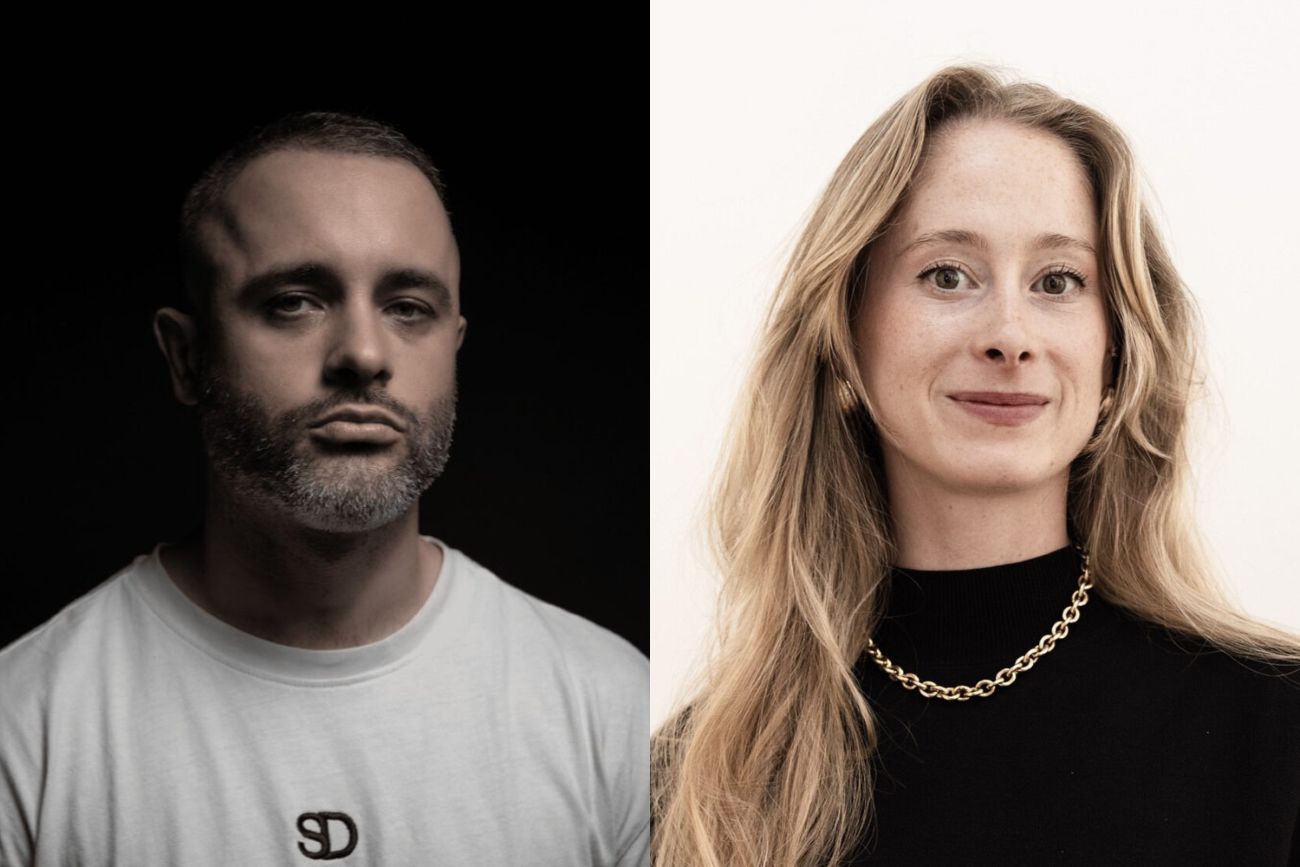
The nose behind Raphael, Margaux Le Paih Guérin, works as a junior perfumer at the Paris fragrance house Flair, where, per Çafleurebon's Young Perfumer Series interview with her, she has spoken about valuing the freedom to make compositions that are not always pretty and are sometimes deliberately disturbing. Raphael, with its sentimental, family-tribute brief, sits at some distance from that description, which makes the base notes doing quieter, stranger work, the mineral bite of Atlas cedar against Haitian vetiver's bitterness, the more interesting layer to track on skin over a full wear. Le Paih Guérin was named Çafleurebon's Rising Star of 2024 by founder Michelyn Camen, and her name now turns up across a cluster of small independent houses, including Dee April and Badar Parfums, most reviewed on the same outlet. For a fragrance built on the memory of a Grasse jasmine grower turned perfumer's family, it is Haitian vetiver root and a lab-made cashmeran molecule doing the heavy lifting of turning nostalgia into something you can actually smell.
