Review
Cerise de Tlemcen Bottles an Algerian Cherry Harvest, With a Nose Who Knows Heat
Al Fanak's 2026 cherry fragrance, composed by Nathalie Feisthauer, leans on spice and heavy woods to keep its fruit accord from collapsing into syrup once skin heats it up.
Published · Updated
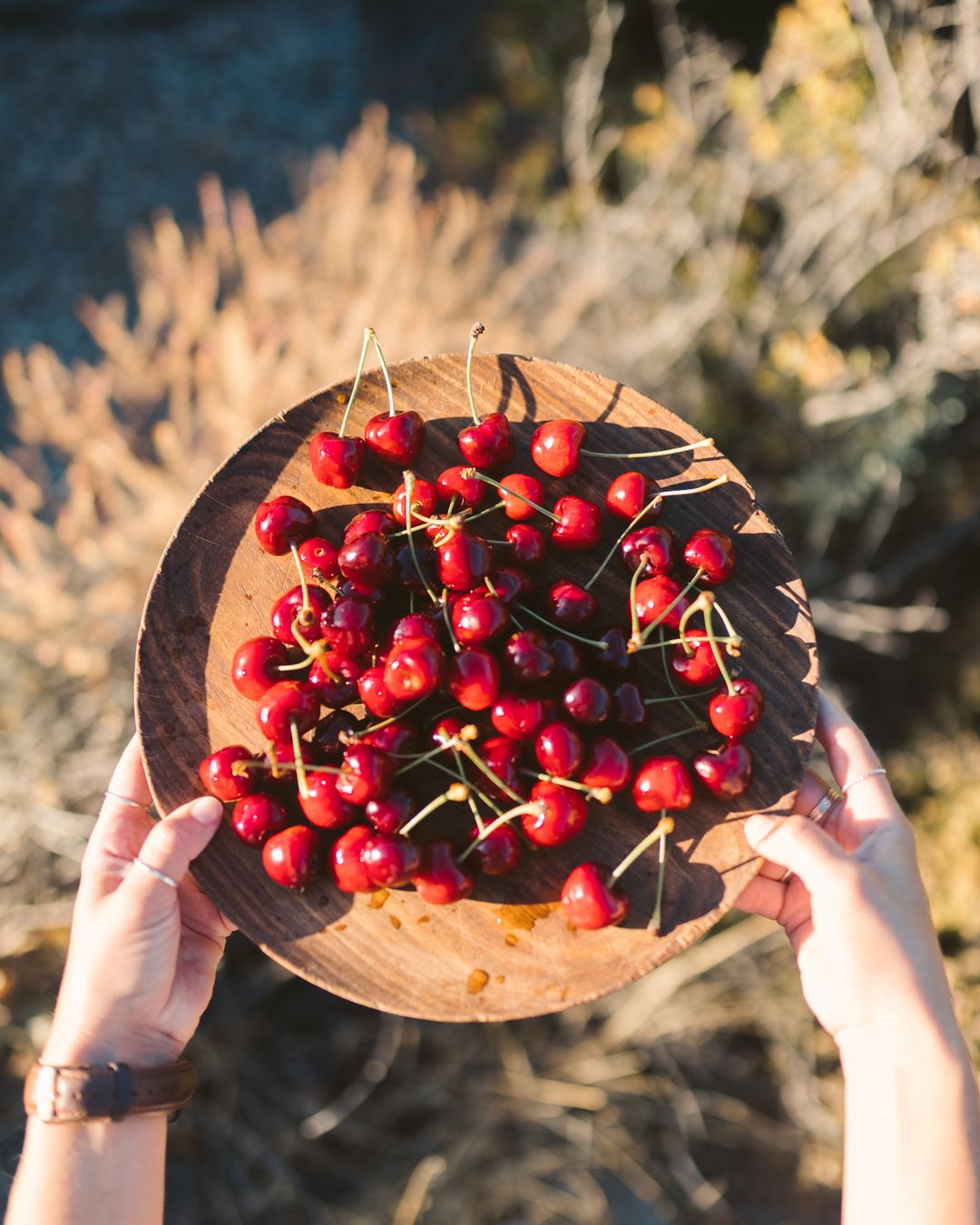
Al Fanak Parfums has built its small, fast-growing catalog on one conceit: pair an Algerian region with the crop it's known for, then build a gourmand fragrance around it. Creamy Raspberry and Mango Mago came first, then Vanilla Pistachio in 2024 and Figue de Tipaza in 2025, an homage to the fig orchards of Algeria's Mediterranean coast. Cerise de Tlemcen, released in 2026, turns to the mountain highlands of Tlemcen and its cherry harvest, a region formally recognized as a UNESCO Man and Biosphere reserve.
The notes read like a still life of the fruit rather than a straight cherry accord. Clove, bergamot, and saffron sit up top, raspberry, cherry, powdery notes, and sambac jasmine form the heart, and the base settles into vanilla absolute, tonka bean, cashmere wood, musk, and cedar. That saffron and clove opening does real work: it's the kind of spice bridge that keeps a cherry note from reading as candy, pushing it toward the tart, slightly bitter fruit you get off the tree instead of out of a bottle of flavoring.
That distinction is where wear temperature comes in, and it's the real story behind Cafleurebon's framing of the scent as strong in heat while staying just as convincing once the air cools in autumn. Powdery cherry-almond facets, built on benzaldehyde-type materials, tend to thin out and go flat-sweet in heat, because warmth speeds the evaporation of the lighter top accord and leaves sugar behind without the fruit's acidity to balance it. Cashmere wood and tonka bean at the base are a common fix for that problem: heavier and slower to volatilize, they give the drydown enough weight that the fragrance doesn't collapse into simple sweetness once the bergamot and clove burn off in skin heat.
The name attached to the project carries more weight than the brand itself does. Al Fanak keeps no public founder or house biography that fragrance databases have managed to document, an odd choice for a label built entirely on place-based storytelling. Nathalie Feisthauer, who composed Cerise de Tlemcen, is the opposite of anonymous: thirty years at Givaudan and Symrise, credits on Hermes and Cartier lines, and a hand in the Rive Gauche and Black Opium lineage for Yves Saint Laurent. She got into the trade by writing a fan letter at sixteen to Jean-Louis Sieuzac, the perfumer behind the original Opium, which led to a spot at the Roure school in Grasse. That taste for dense, oriental compositions is legible in the saffron-and-tonka backbone here.
Feisthauer went independent in 2014, opening her own studio, LAB Scent, in Montmartre, and LAB Scent's own site carries a launch post for Cerise de Tlemcen, which points to this being a commissioned composition from her studio rather than something built by an in-house Al Fanak perfumer. Figue de Tipaza, the previous release in the same regional series, was composed by a different perfumer, Alp Veliogullari, so the brand appears to be rotating outside noses project by project rather than working from one signature perfumer or a fixed creative brief across the series.
The cherries themselves are a real crop with a real story that the marketing shorthand mostly skips over. Tlemcen's highlands grow specific local cultivars, including Black Bigarreau and Sunburst, and agronomy research has tracked how shifting seasonal temperatures are pushing the harvest window earlier in the year. Algeria's cherry sector is generally described as high-potential but held back by weak market access and thin post-harvest processing, the kind of infrastructure gap that a perfume bottle, however well-composed, does nothing to fix. What's left on the skin is the tribute version: clove and saffron standing in for an orchard, and a base heavy enough to survive the walk from a hot afternoon into a cold evening.
