The Brown Denim Trend Skips a Detail About How It Fades
This season's push toward brown and other earth toned jeans leaves out a detail of dye chemistry: brown denim is typically dyed in a way that ages more abruptly than indigo, not more gracefully.

By Rafael Mendes Grooming and style
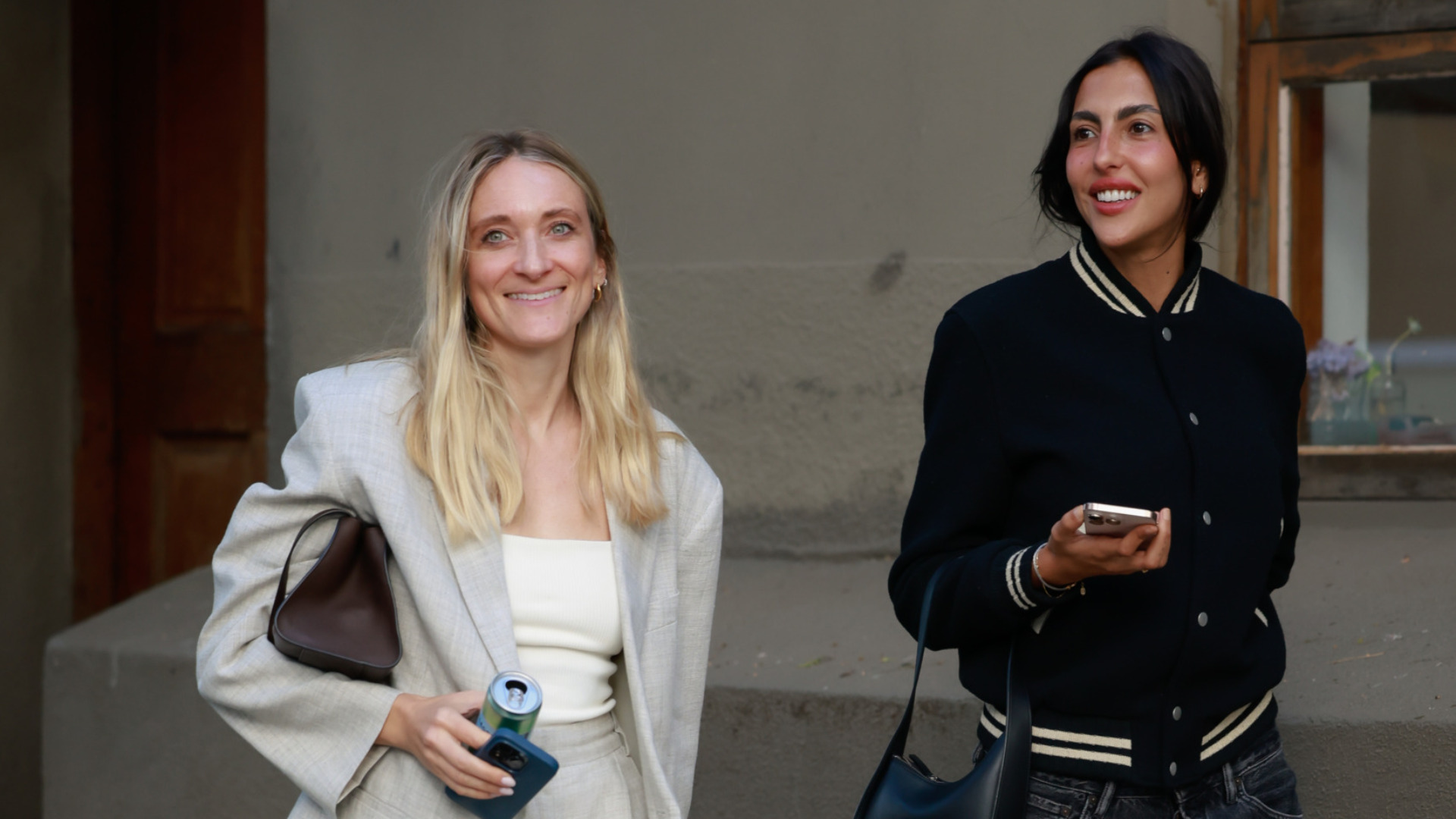
Fashion coverage this year keeps repeating the same instruction: if blue denim feels used up, move to brown. Vogue Korea's own trend pages have tracked the shift since February, and by midsummer the outlet was naming chocolate, amber and wood brown as the season's answer to indigo fatigue. Global fashion press has said much the same, framing earth toned denim as an expansion of the palette rather than a replacement for it. The advice is consistent across outlets. What it leaves out is what happens to that brown pair after a year of actual wear.
What indigo actually does
Blue jeans owe their signature fade to a detail of chemistry, not a coincidence of style. Indigo is what dyers call a ring dye. During rope dyeing, cotton yarn is repeatedly dipped and pulled from the vat, but the dye never has time to travel to the yarn's core. Color builds in layers around a pale, almost white center. Wear and washing then work from the outside in, stripping those layers unevenly at the knees, seat and thigh creases. That is the origin of whiskering and honeycombing, the fade patterns denim owners describe as their jeans becoming theirs.
Brown does not dye the same way
Brown denim is rarely a straight indigo bath. Mills typically reach it by overdyeing an indigo base with a second color, or by using sulfur dyes, which sit differently in the yarn: they coat the fiber's surface rather than settling into layered rings. Industry accounts of sulfur dyed black denim, the closest well documented comparison, describe its fade as visually blunter. Color loss exposes a grayish white base in patches, closer to paint chipping than to indigo's gradual lightening.
- Indigo builds in concentric rings and fades toward a lighter blue before reaching white.
- Sulfur dyed or overdyed brown sits on the yarn's surface and tends to fade in patches that expose base fiber more abruptly.
Brown denim likely inherits some of that behavior, since it commonly shares a dye class with sulfur black rather than pure indigo. That is a reasonable inference from documented dye chemistry, not a claim tested pair by pair. Fastness varies by mill and finishing process, and not every brown jean is dyed the same way.
What this changes, practically
None of this argues against the color. It changes what to expect from it. A well loved blue pair earns a fade that reads as broken in. A brown pair put through the same friction, at the same knees and seat, may instead look simply worn, sooner and less evenly. If the appeal of switching colors is a fresh rotation rather than a years long relationship with one pair, the difference barely registers. If it was the long, gradual fade itself that made blue jeans feel earned, brown is trading one kind of character for another, not offering a better version of the same one.
Sources: Heddels · Heddels: Ring Dyeing