This is why menswear guys always leave their collars sticking out
A shirt collar poking above a crewneck has become 2026's defining menswear tic, and getting it right is a matter of fabric, fit, and layering order, not just habit.

By Rafael Mendes Grooming and style
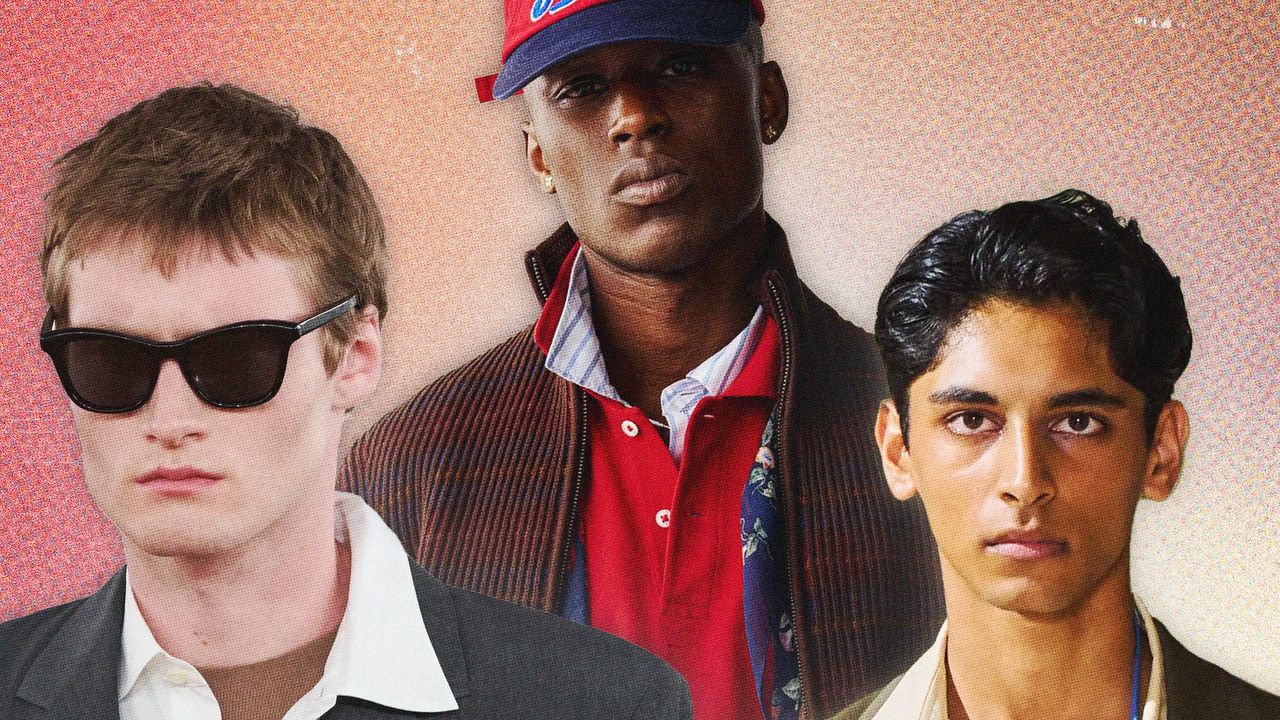
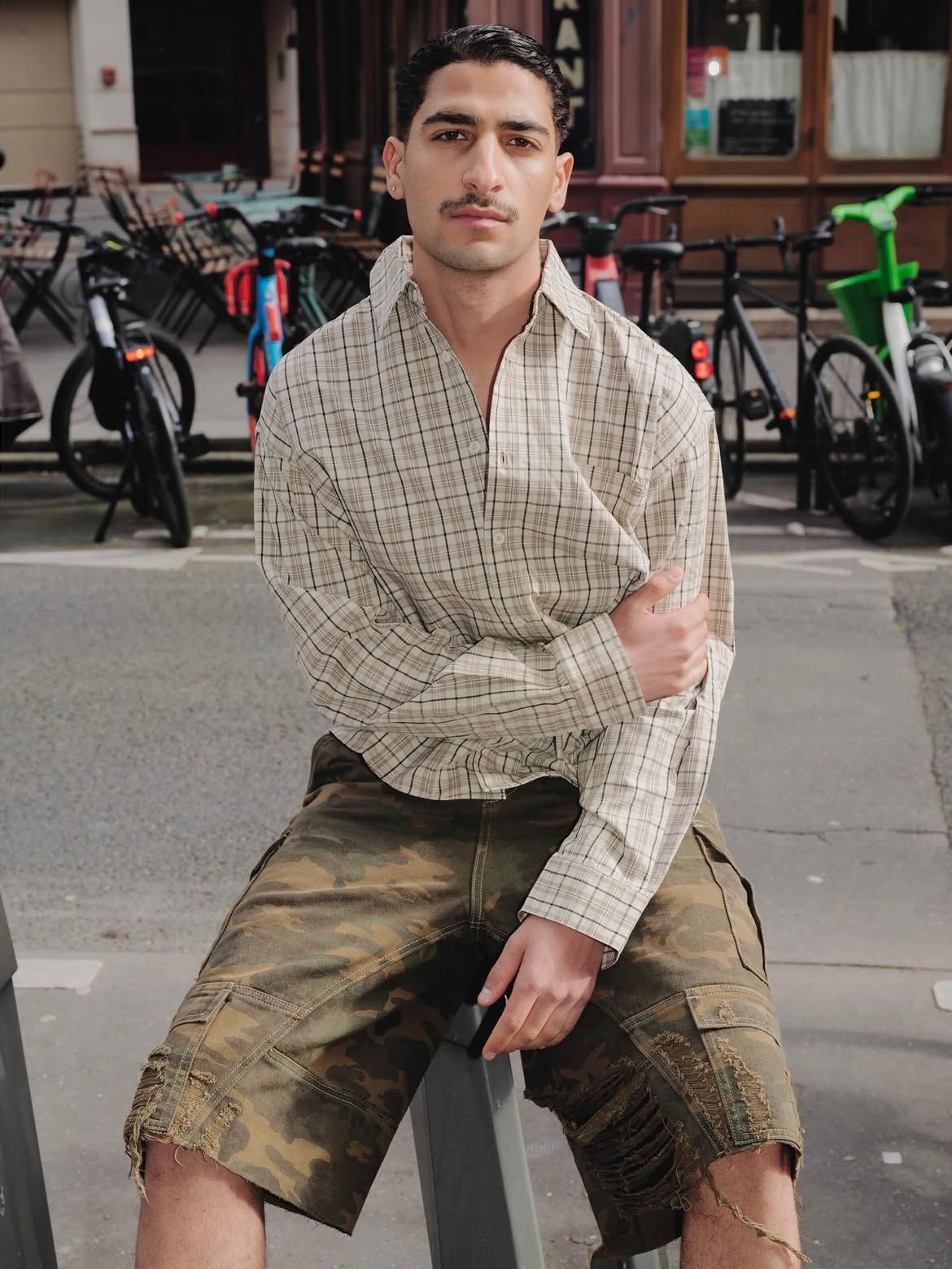
A sliver of shirt collar showing above a crewneck sweater is having its biggest moment since the polo-collar wars of the early 2000s, and this time the mechanics matter more than the gesture. The look is simple to describe and easy to botch: a button-down collar left open at the neck, points resting flat against the sweater rather than curling upward, showing maybe an inch and a half above the crew seam. Get the proportions wrong and it reads as a shirt someone forgot to tuck. Get them right and it reads as deliberate layering, which is the entire point of doing it at all.
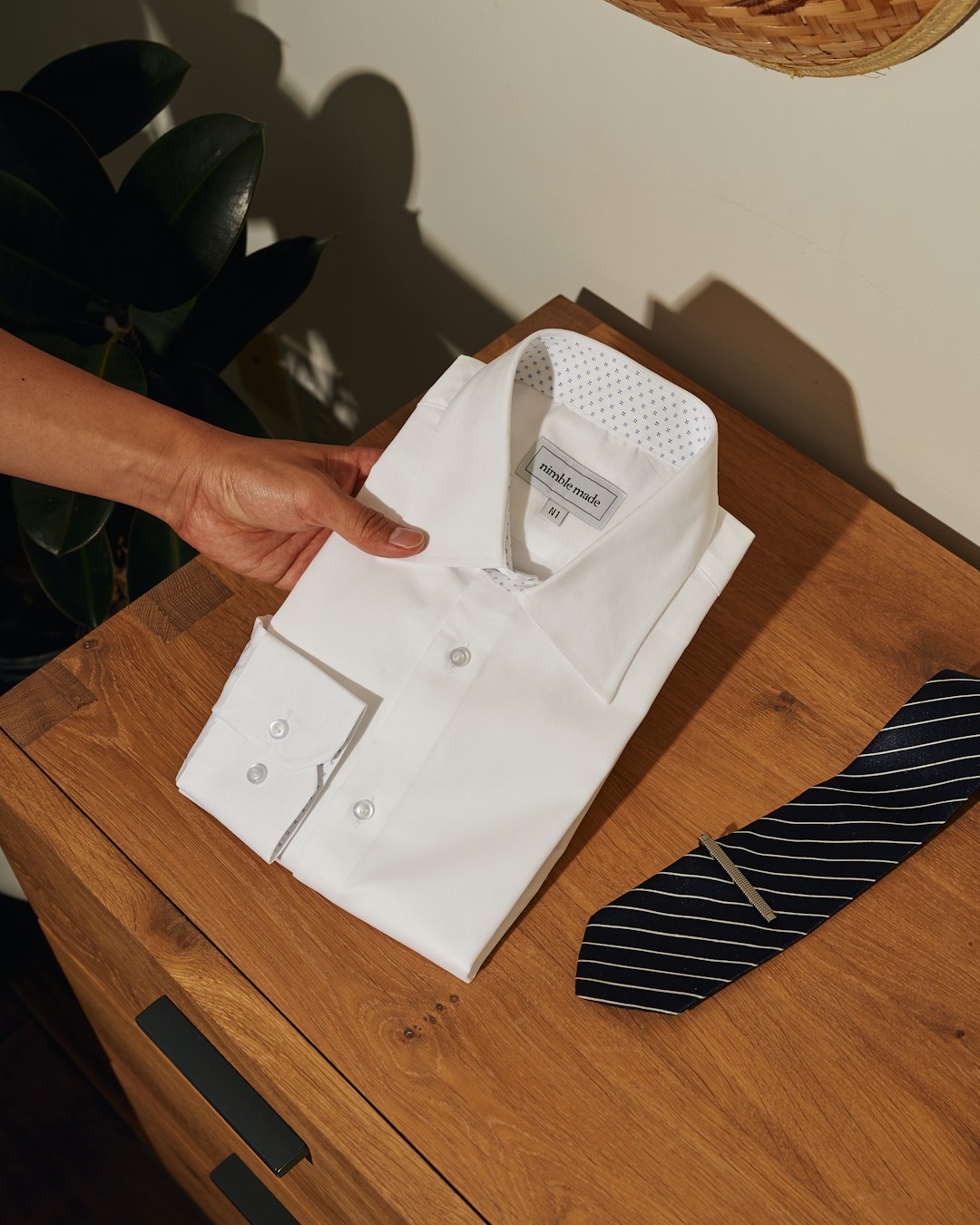
The trick only works with the right shirt. A soft, unstructured collar like an oxford cloth button-down holds its shape and drapes over knitwear without buckling, while a stiffer dress shirt with fused interlining tends to stand up and gap at the neck, which is why menswear forums keep circling back to OCBDs specifically as the base layer. Neck fit matters just as much: a collar cut for a slim dress shirt crushes under a crewneck, while one sized a half step roomier leaves enough fabric to lie naturally over the knit without straining the top button.
The collar-out habit has a longer history than its current visibility suggests. The upturned collar itself traces back to Rene Lacoste's 1929 tennis shirt, designed with a popped collar to shield the neck from sun, a functional detail rather than a style statement. It became a tribal marker through Lisa Birnbach's 1980 guide The Official Preppy Handbook, which turned the flipped collar into shorthand for a certain East Coast identity. By the early 2000s that identity had curdled into excess, with stacked polo collars in frat and club settings that eventually made the gesture feel try-hard enough to retire it for the better part of two decades.
What separates the current wave from the earlier one is that the collar has moved from a standalone flip to a layering technique. Rather than popping a polo collar on its own, the look now depends on pairing two garments, a woven shirt worn underneath a crewneck sweater, sweatshirt, or jacket, so the collar becomes a visible seam between layers rather than a statement in itself. Street style photographers tracking the SS26 menswear shows in Milan and Paris this past January noted a related but distinct habit spreading on the same circuit: a double collar, where an overshirt or coat is stacked on top of a shirt so two collars show at once, spotted around shows including Loewe, Eckhaus Latta, and Issey Miyake. Some of that has an early-2000s, Kanye-era echo to it, but the single-collar version favored on the street is quieter and reads closer to a construction detail than a costume choice.
That quietness is the throughline connecting this trend to the broader shift in menswear signaling over the past few years. As logo-driven dressing has faded from favor, the markers of taste have moved into smaller and more technical territory, collar roll, stitching, how a fabric behaves under layers, rather than a visible brand mark. A collar left peeking above a sweater functions as exactly that kind of small tell: legible to someone who has thought about shirt construction, invisible or default-looking to everyone else.
None of this is settled consensus. Menswear commentary online is still split on whether a collar belongs inside or outside a sweater at all, and the same forums that champion the look are quick to flag its most common failure, collar points that flop loose instead of lying flat, as the difference between a deliberate detail and a wardrobe accident. That tension is really the whole story: a decades-old piece of shirt construction, revived, restrained, and now judged one centimeter of fabric at a time.