The Nine Brands in GQ's Saudi Roundup All Answer to the Same Backers
A GQ Middle East roundup names nine Saudi labels worth watching, but nearly every one of them threads back to the same state apparatus: Fashion Commission mentorships, PIF-linked retail stakes, and LVMH-adjacent showrooms, that the listicle never names.
By Rafael Mendes Grooming and style
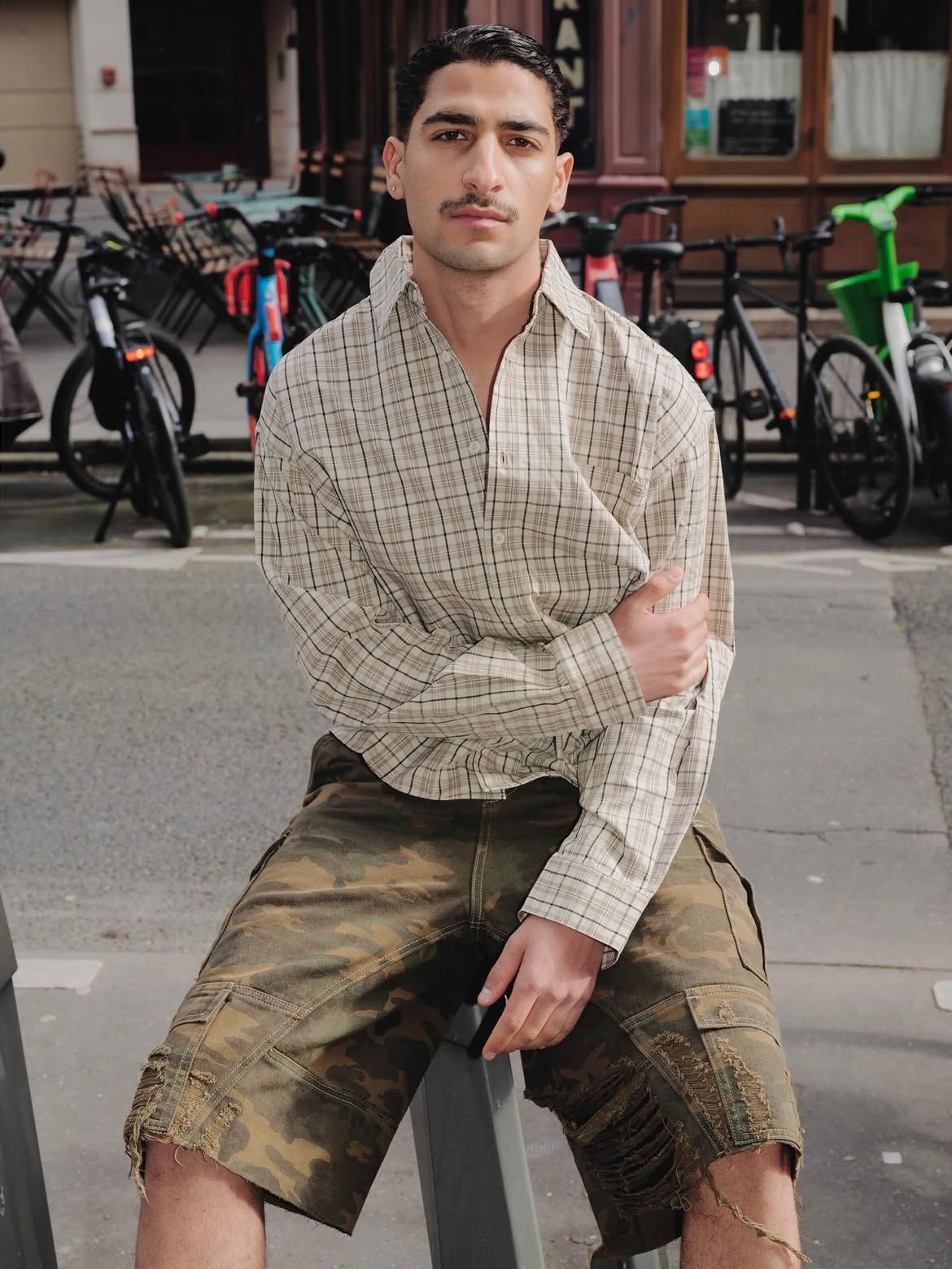
Nine Saudi labels made GQ Middle East's latest shopping roundup, filed alongside a passing mention of a Selfridges pop-up and an LVMH Prize nod. The framing treats each name as an independent discovery. Nearly every brand on the list is running through the same handful of state-linked channels — a fact the piece never states outright.
KML is the clearest case of a label with real institutional backing. Founded in 2022 by Ahmed and Razan Hassan — he trained at Zaha Hadid Architects before moving into tailoring, she studied law — the brand was a 2025 LVMH Prize semifinalist and showed in Paris for Fall 2026, part of what WWD's men's fashion week coverage labeled its "Ones to Watch." Ahmed also made the BoF 500 this year.
1886 and Not Boring, the Yazeed Abahussein label founded in 2017, both sit inside an event GQ compresses into a single line about "Selfridges Oxford Street." The actual show is Saudi: Sky's the Limit, a Corner Shop takeover at Selfridges running through September 5, 2026, with more than twenty Saudi fashion, beauty, and food brands, produced with Milaf Global, an F&B group owned by Saudi Arabia's Public Investment Fund. PIF itself holds a 40 percent stake in Selfridges Group, alongside majority owner Central Group — meaning the retailer hosting the pop-up and the sovereign fund backing several of the brands inside it share an owner.
SADF and TheCodedMail both come out of Saudi 100 Brands, a one-year mentorship program run by the Fashion Commission with advisors drawn from Chanel, Valentino, Bulgari, Kering, and LVMH, designed to place emerging labels in Paris and Milan showrooms. The program had a presence at February's Saudi Cup at King Abdulaziz Racecourse and ran a pop-up at Galeries Lafayette Paris Haussmann from January 26 to February 16, 2026.
Torba Studio and Placard, both based in Jeddah, have no coverage beyond the GQ piece itself — worth a direct approach to the founders rather than secondary reporting. Ashi Studio, name-checked only for dressing Bella Hadid and Zendaya, occupies a different tier entirely: it built international couture credibility a decade before the current government-backed push began.
The chronology around Riyadh Fashion Week's third edition, in October 2025, complicates the tidy version of this story. The week opened with Vivienne Westwood's first-ever Middle East runway show, a capsule built with Art of Heritage, a Saudi institution supporting female artisans, and closed with Stella McCartney's Saudi debut. Both houses have built their brand identities on sustainability and ethics. The Westwood family publicly criticized the label's participation in the event, a rupture that sat in plain sight of the fashion press that fall and that GQ's roundup doesn't mention.
The Fashion Commission projects Saudi Arabia will lead global fashion and luxury market growth through 2029, with the sector reaching roughly $42 billion, according to WWD's reporting on the commission's figures. A planned Fashion District in Riyadh is meant to give that growth a permanent home. A listicle of nine brands worth following is, in that light, a small visible piece of an infrastructure buildout the government is funding at scale — the LVMH mentors, the PIF-owned retail stakes, the racecourse pop-ups and the Haussmann showroom all pointing toward the same district still under construction.