Explainer
How Often Should You Clean Your Piercings?
Twice a day during healing, then almost never. The real skill is knowing when to stop, since overcleaning is what actually stalls new piercings.
Published · Updated
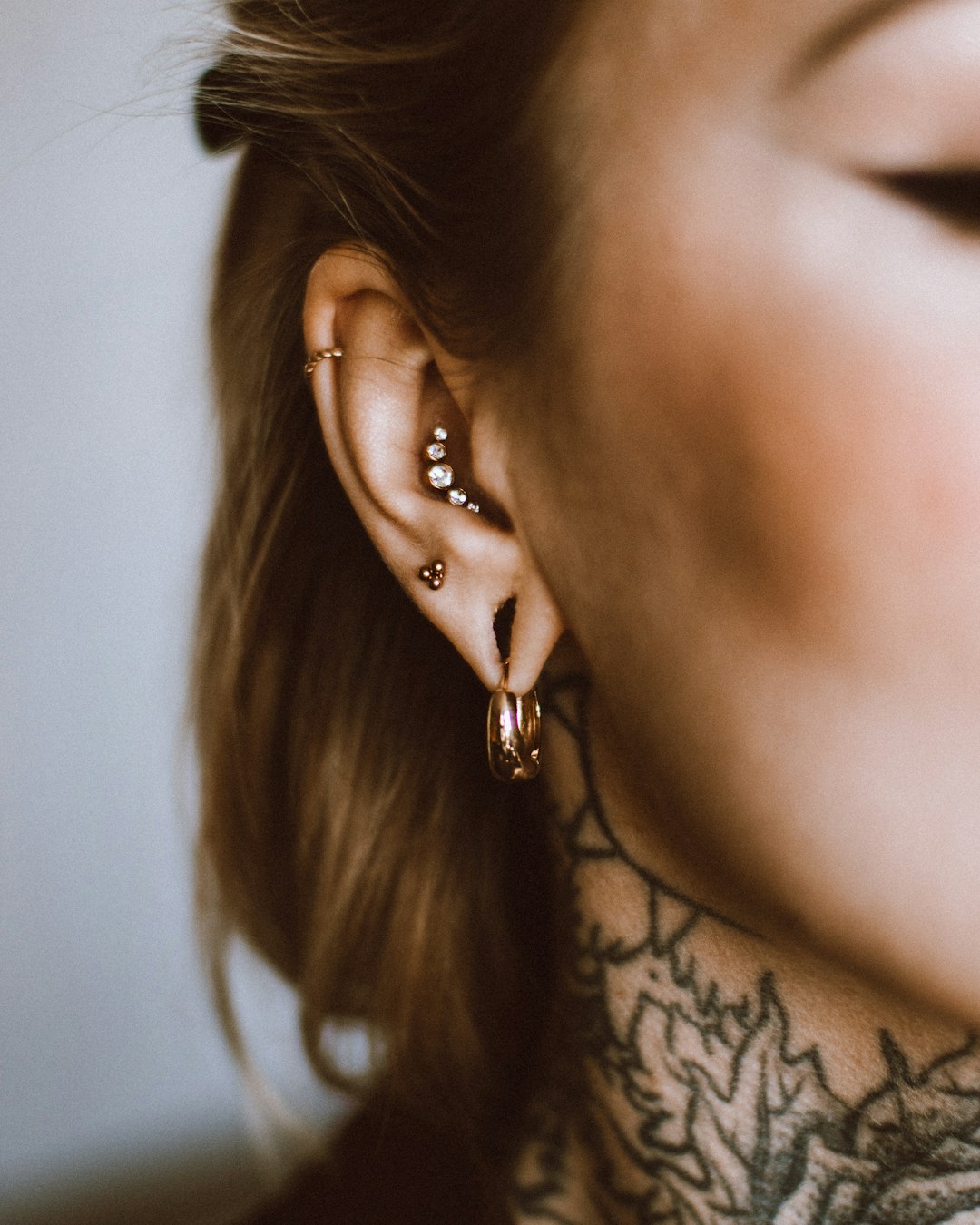
A fresh piercing asks for a fixed routine, then it asks you to walk away from that routine. The Association of Professional Piercers, whose current guidance is published on its site, and the piercing studio Infinite Body Piercing both settle on the same cadence for the healing period: clean twice daily, no more.
The mechanics matter more than the frequency. The APP's aftercare page specifies a saline solution with 0.9% sodium chloride as the only listed ingredient, sometimes alongside purified water, and explicitly warns against mixing your own batch at home, since homemade solutions commonly come out too concentrated and can irritate healing tissue. The organization has also moved away from recommending sea salt soaks stirred up in a kitchen, a shift from older advice still circulating in casual aftercare tips.
Soap has a narrower role. Pierced.co, a jewelry and aftercare retailer, suggests a single soap cleaning per day paired with one or two saline soaks, and the APP's oral care guidance specifically warns against antibacterial soap, noting it can over-dry and irritate the site. Rubbing alcohol and hydrogen peroxide are ruled out entirely by UC Berkeley's University Health Services, whose piercing guide notes that both compounds slow healing by drying out and killing the new cells trying to close the wound.
The instinct to do more, sooner, is where most damage happens. Infinite Body Piercing's aftercare notes state it plainly: overcleaning, or switching between several different solutions, irritates the piercing rather than protecting it. Affinity Dermatology's guide to ear piercing care echoes the timeline, recommending two to three cleanings a day at the start, then a pullback once initial healing sets in, usually within a few weeks for earlobes.
Touching the jewelry itself is a separate temptation, and one every source pushes back on. The APP's guidance states that moving or rotating jewelry during cleaning is not necessary and may irritate the piercing, directly contradicting the old habit of twisting a stud to keep the hole from closing. Affinity Dermatology makes the same point for cartilage and lobe piercings, warning that rotation disrupts the tissue actually trying to heal around the jewelry, not just sit against it.
Location changes the math considerably. UC Berkeley's guide notes that a nose stud should stay untouched for at least eight weeks, with full healing stretching anywhere from twelve to twenty four weeks depending on placement, a timeline far longer than most people assume from the outside. A cartilage piercing on the ear can run a similarly long course, which is part of why the twice daily habit needs to hold steady for months, not days.
Once healing is complete, the routine should shrink almost to nothing. The APP's guidance for younger piercing clients extends the caution outward, recommending regular cleaning of phones, headphones, glasses, helmets, and hats, since anything that repeatedly touches a piercing site can reintroduce bacteria long after the jewelry itself stops needing daily attention. That is the quiet second phase of piercing care: the ritual around the piercing keeps going even after the ritual on it has mostly stopped.
