Guide
The New Way to Blend Grey
Colourists are swapping flat, all-over grey coverage for freehand, dimensional blending that treats regrowth as part of the design rather than a flaw to hide.
Published
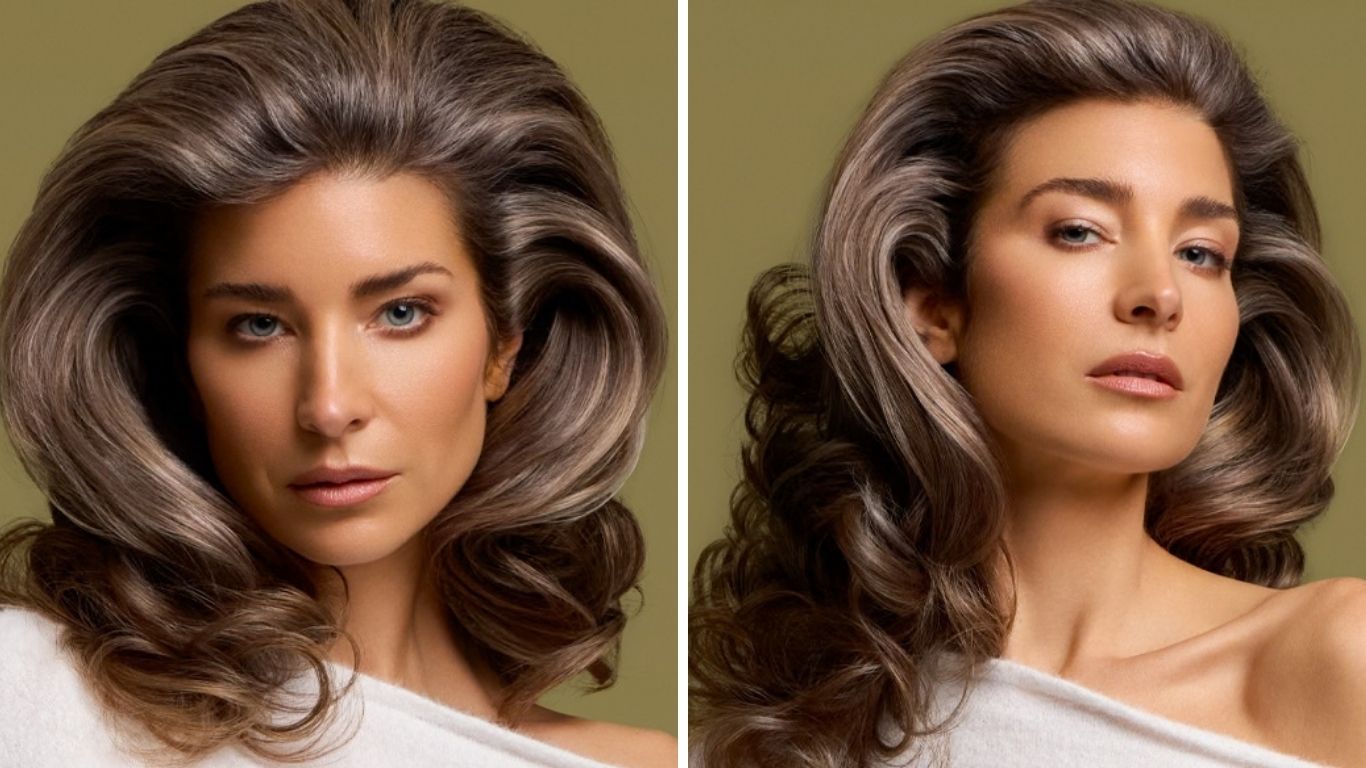
Grey blending is drifting away from the flat, all-over toner job that made grey "disappear" overnight. Colourists are instead treating a client's existing white and pigmented strands as a map, placing lightened pieces to sit next to the natural grey rather than covering it, so the two textures read as one deliberate pattern instead of a demarcation line waiting to grow out.
The appeal is pacing. A balayage-based grey blend is painted freehand onto dry hair, which lets a colourist vary saturation strand by strand and skip the harsh root line that a bowl of all-over tint leaves after four weeks. Regrowth becomes part of the design rather than a flaw to hide, which stretches the gap between salon visits and makes the colour easier to live with day to day.
Texture matters as much as tone. Grey hair is frequently coarser and more porous than a client's pigmented hair once was, so it can grab lightener unevenly and process faster in some sections than others. Reported in Hairdressers Journal (HJI), the current approach favours lower-volume developers and shorter processing checks specifically to manage that uneven porosity, rather than running a single timer across the whole head.
Tolerance is the other variable colourists are watching. A full head of dimensional foils asks a lot of a scalp and of a client's patience in the chair, so many are breaking the transition into stages: a first session that blends just the crown and hairline, where grey shows fastest, followed by later sessions that extend the pattern through the mid-lengths and ends once the client has seen how the colour wears and faded.
What distinguishes this from earlier grey-coverage routines is what a single appointment is asked to prove. A traditional dye job had to look finished the moment the client left the chair. A blended, dimensional approach is judged instead on how it ages over the following weeks, whether the lightened pieces keep enough warmth to sit against new white growth, and whether a demi-permanent gloss refresh between full appointments is enough to keep the pattern looking intentional rather than patchy.
