How to Cut, Colour and Style Thinning Hair
Layers, lightener and tight styling can all worsen visible thinning. Here's what stylists are being told to do instead, from the cutting chair to the consultation.

By Ivy Tanaka Routine and climate

A client sits down and asks for the usual: a trim, maybe some layers to add movement. If her hair has been quietly losing density for a year or two, the usual is exactly what makes the thinning more visible. Heavy layering removes weight from ends that no longer have volume to spare, and the result looks wispier under salon lighting than it did walking through the door. Guidance for stylists working with thinning hair, set out by Hairdressers Journal, centers on a simple reversal of habit: the moves that create texture and lift on a full head of hair often strip density from one that is already losing it.
The scale of the problem is why this has become a routine consultation rather than an occasional one. Around 8 million women in the UK experience hair loss, according to figures compiled by Chemist4U, and by age 50 close to 40% of women notice visible thinning, a trajectory that steepens through menopause. A UK dermatology clinic study cited by Country & Town House found only 6% of patients under 50 reported thinning, compared with 38% of those over 70. The client asking for a colour refresh or a cut update is increasingly, without necessarily saying so, also asking for help with a scalp that shows more than it used to.
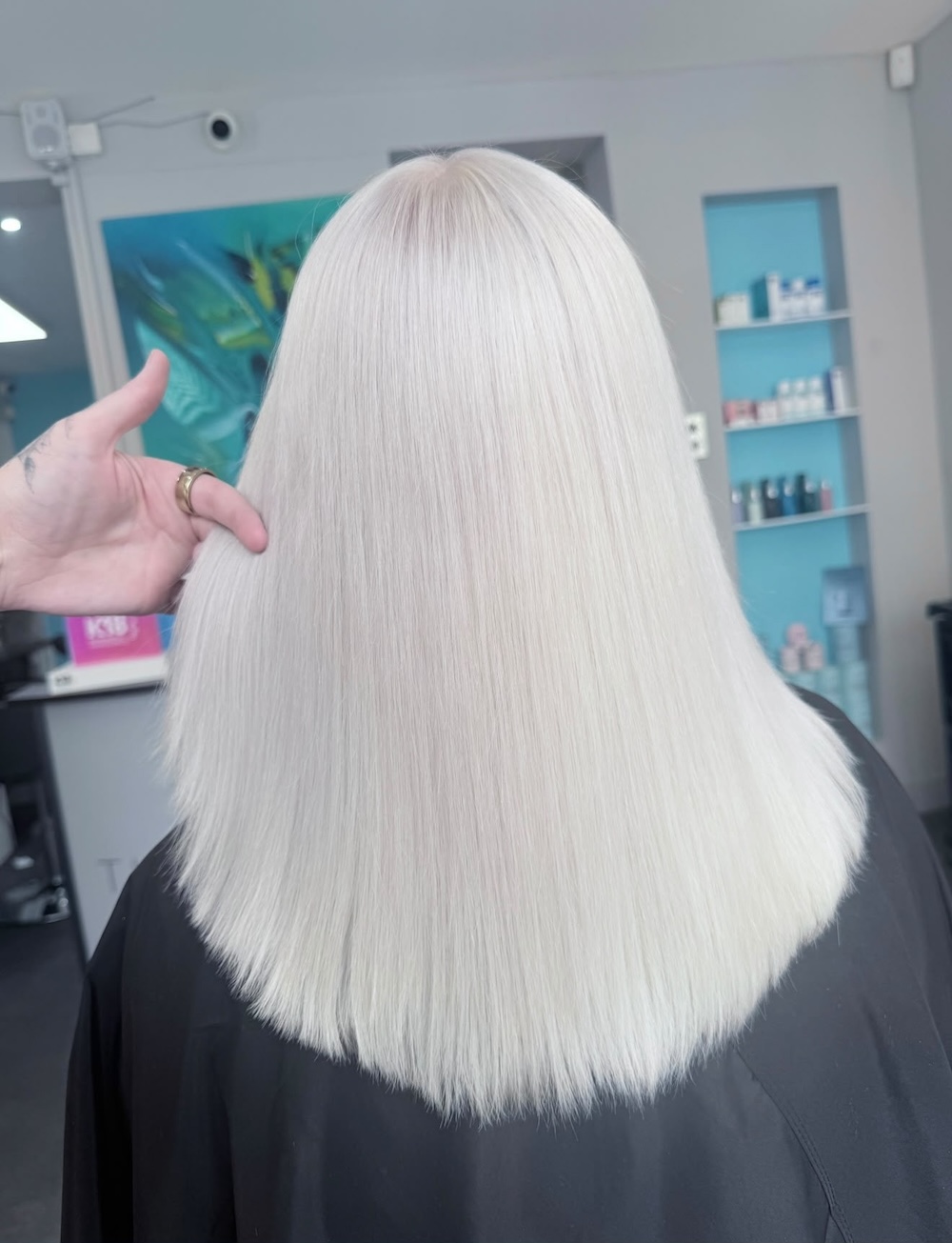
Cutting technique is where the correction starts. Long, feathered layers cut close to the crown pull weight away from the area where density is thinnest, exaggerating scalp show at the parting. The alternative favoured for thinning hair runs blunter: soft, face-framing shapes and bobs cut with less internal layering, relying on the hair's own weight to create the illusion of thickness rather than removing mass to create movement. Tension matters too. Repeated pulling from tight blow-drying or heat styling on hair that is already shedding can accelerate breakage along the same stressed strands, which is part of why cutting advice and styling habits are treated as one problem rather than two.
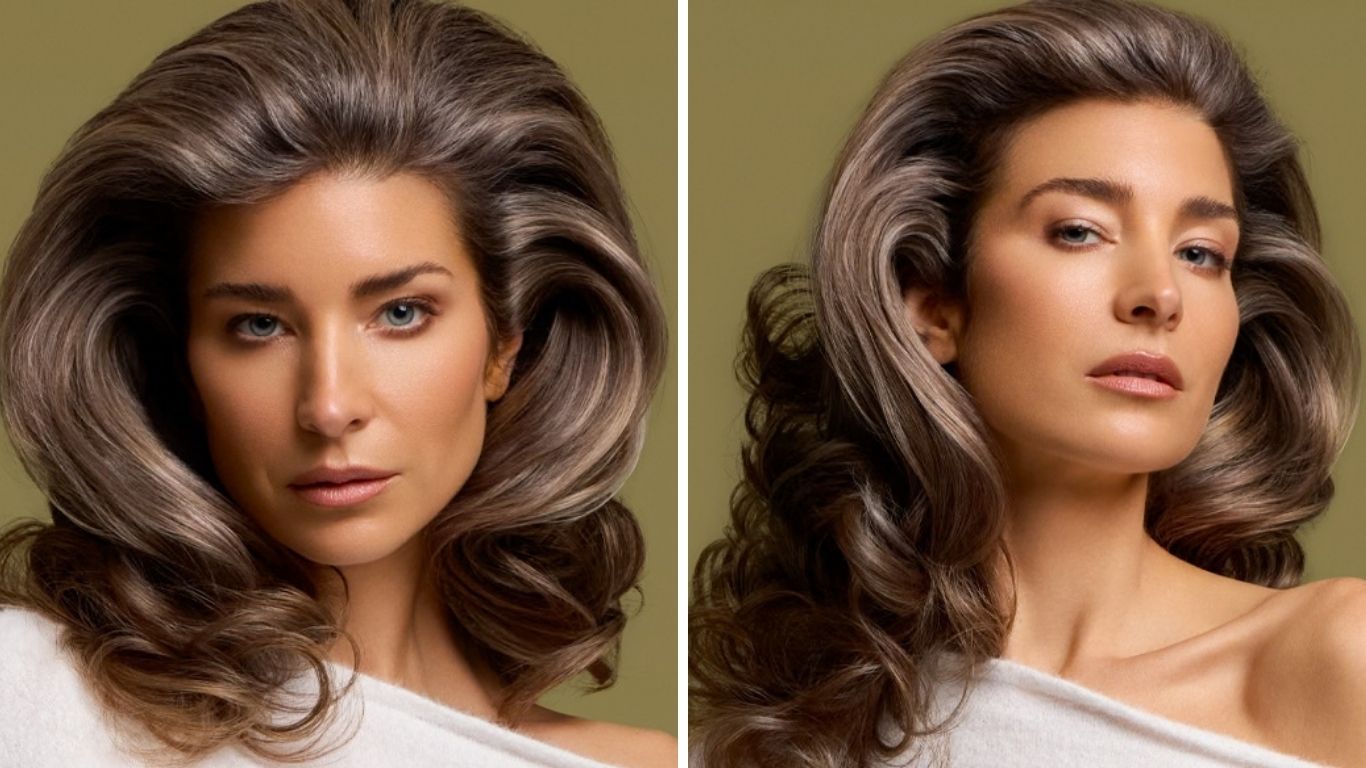
Colour is the part most likely to backfire quietly. A single, solid all-over process flattens the hair's surface and makes a thinning parting more exposed, since there is no tonal variation to break up the scalp's visibility. Root smudging and shadow-root techniques, which blur the line between natural regrowth and colour, do more of that camouflage work with less upkeep than a hard root line. Balayage and other dimensional colouring create the appearance of depth through contrast rather than density, which is useful when the hair itself cannot supply that depth on its own. The trade-off is processing: heat styling layered on top of chemical colour compounds stress on strands that are already more fragile, so the sequencing of a colour appointment, not just the technique chosen, becomes part of the advice.
None of this addresses why the hair is thinning in the first place, and that gap is prompting scrutiny within the trade itself. TrichoEDU, a training platform aimed at hairdressers, argues that thinning-hair conversations happen in every salon most weeks, yet most stylists report feeling unprepared to have them, since standard training covers cutting and colour technique but rarely the underlying causes a client might mention in the chair. Chemist4U's research found 89% of people with hair loss report an attached stigma, which is one reason the emerging advice treats the consultation itself as a skill, not a formality before the real work of cutting begins.
Menopause is not the only driver clients are naming. A BMJ-published study from July 2026 found that GLP-1 weight-loss medications, including Ozempic, Wegovy and Mounjaro, carry a 37% to 68% relatively higher risk of a hair-loss diagnosis compared with other diabetes drugs, though the absolute risk remains small, at roughly seven per 1,000 patients per year versus four to five per 1,000 on other treatments. Researchers attribute this to telogen effluvium triggered by rapid weight loss rather than a direct effect of the drug, and it is not listed as an official side effect by regulators. For stylists, the practical result is the same regardless of cause: more clients arriving mid-appointment with a request that has shifted from length to volume, and a cut, colour and consultation that now have to account for a scalp that is changing faster than the hair on it.