The Upkeep Behind Nicole Kidman's 'Simple' Fall Cut
Nicole Kidman's fall layered cut and curtain fringe are being sold as an easy, no-perm no-color change, but the look borrows directly from two older references and comes with a maintenance rhythm the coverage skips.

By Rafael Mendes Grooming and style
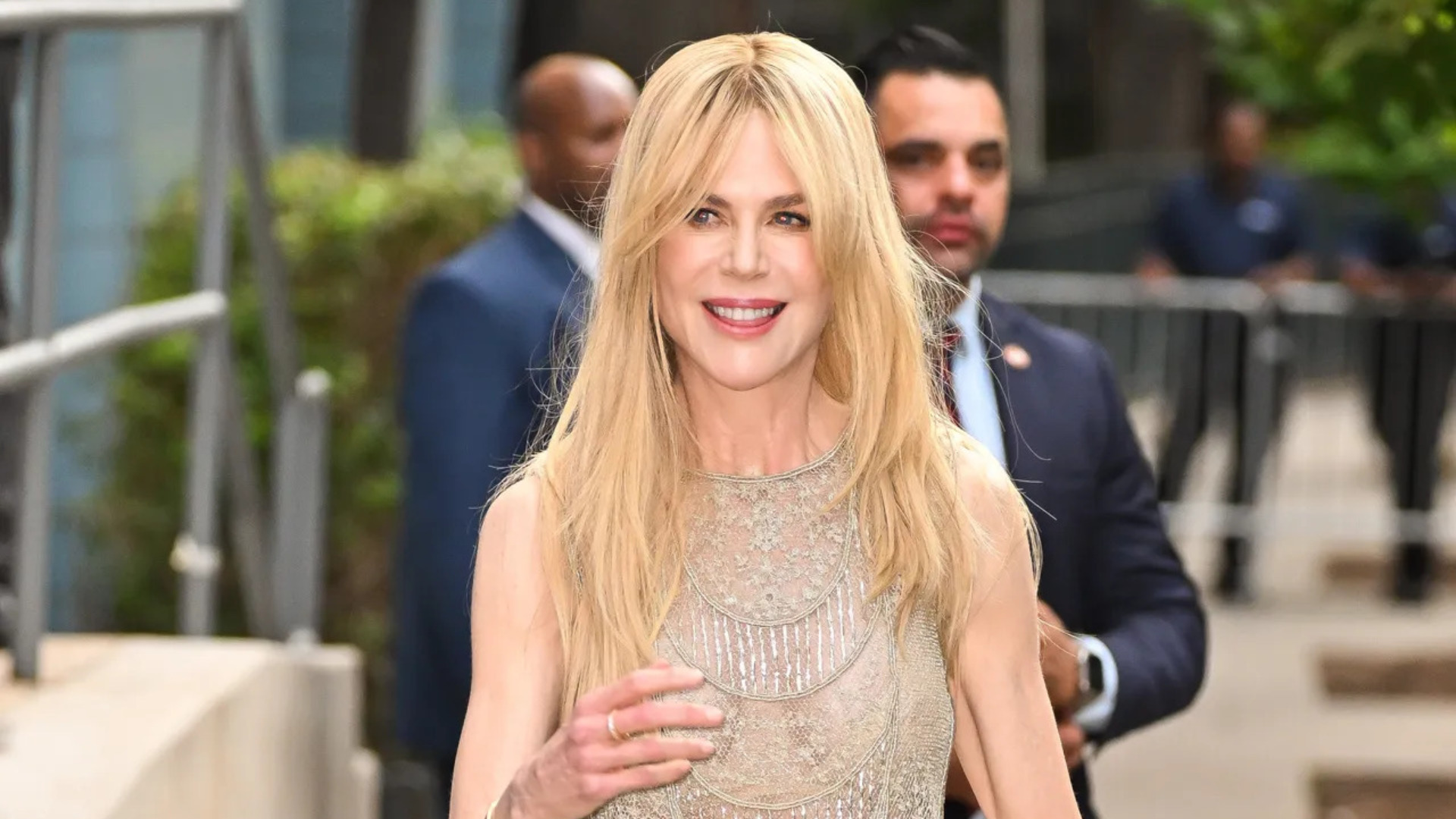
Fall haircut season has a familiar shorthand this year: get what Nicole Kidman got. The usual roundup frames it as refreshingly simple, a layered cut and a curtain fringe, no perm, no color. What that framing skips is where the look came from and what keeping it actually takes.
The cut belongs to Adir Abergel, Kidman's longtime hairstylist and the creative director of the haircare brand Virtue, who has described the reference points directly: "part Practical Magic, part Jane Birkin." Practical Magic is the 1998 film that gave Kidman her own red haired ingenue look nearly three decades ago. Jane Birkin is the singer and actress whose 1970s fringe has become industry shorthand for a certain kind of undone. Abergel has taken to calling wispy, face framing bangs "Birkin bangs" for that reason. This fall's new hair is assembled from two old references, one of them borrowed from Kidman's own back catalog.
What "just a cut" leaves out
A curtain fringe reads as low commitment because of how it is built, not because it asks nothing of anyone. Coverage of the look often gestures at this, noting that a careful hairdresser will ask about layers and density before the scissors come out, then stops short of explaining why that matters. Layering is what lets the fringe blend into the rest of the hair rather than sit as a separate block. Density, meaning how much hair is left in versus thinned out, decides whether the fringe reads as soft and wispy or heavy and blunt. Get the density wrong for the hair's natural thickness and the effortless version turns either see through or dense within a few weeks of regrowth.
That upkeep is real, even if it is smaller than a perm or a color service. Stylists who work in this shape generally describe a few consistent points:
- A trim roughly every three to six weeks to hold the fringe's line, since it grows faster than the rest of the head is cut.
- A few minutes of daily styling, usually a blow dry that brushes the fringe forward and then sweeps it side to side to train it into place.
- A grow out period that is genuinely easier than blunt bangs, because the layers are already blended into the sides rather than cut as one hard line.
That last point is the one honest claim in the simple pitch. Curtain bangs do grow out more gracefully than a blunt fringe, because the shorter center pieces lengthen into hair that was already layered to receive them. The forgiveness is structural, built into how the cut is planned, not a property of skipping styling altogether.
None of that makes the look complicated. It makes it a haircut with a maintenance schedule and two named references, dressed, in the retelling, as an accident.