Review
Our 8 Favorite Fall Fragrances for Under $100
Esquire's under-$100 fall fragrance picks arrive as tariffs, quiet reformulation and a booming dupe market are redrawing what "affordable" and "designer" even mean this season.
Published · Updated
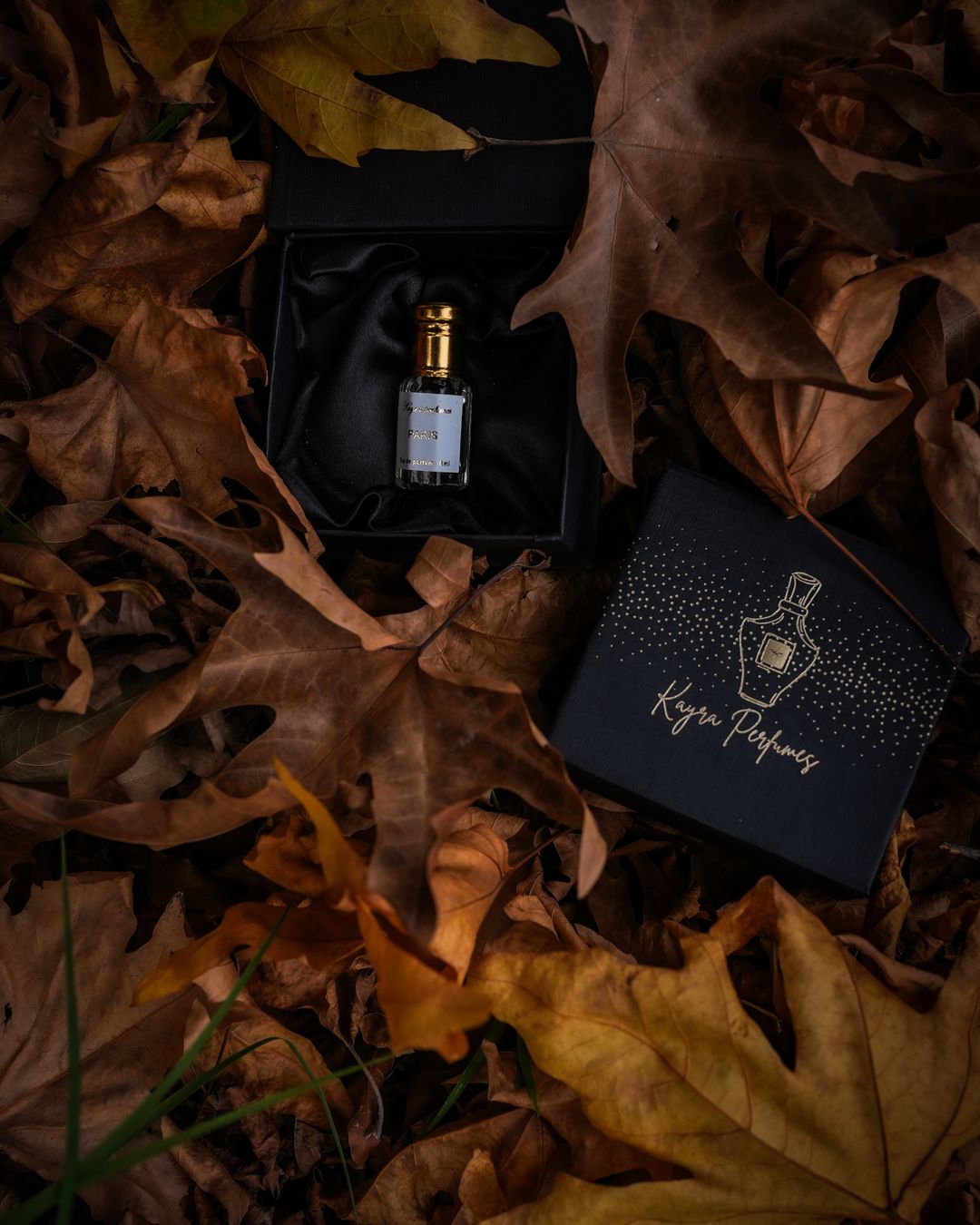
Esquire's new roundup of eight fall fragrances under $100 lands at an odd moment for that price line. Interparfums, the licensee behind Jimmy Choo, Coach and Lacoste fragrances, told investors it would raise U.S. prices 6 to 7 percent starting August 1, 2026, citing the 10 percent tariff on imported goods. That is not a marketing footnote. It is the mechanism by which a $92 bottle bought this September can cost $98 or more by the time next fall's list gets rewritten.
The squeeze runs deeper than tariffs on finished bottles. Rose absolutes from Grasse, oud from Southeast Asia and sandalwood from India, the raw botanicals that give a fall scent its backbone, are facing logistics premiums that industry estimates put at 10 to 20 percent on top of standard freight costs. A brand can hold its retail price steady for a season or two by thinning the formula instead, cutting the percentage of natural absolute and leaning harder on cheaper synthetic musks and ambroxan substitutes. That kind of reformulation happens quietly, without a relaunch or a new bottle design, and it is why a fragrance that smelled a certain way in 2023 can smell thinner or flatter in a 2026 bottle carrying the identical name and price.
Any under-$100 list has to answer a question whether or not it says so out loud: is this a legacy designer formula sold in a smaller bottle, or something built to sit next to it on a shelf. Clone houses including Lattafa, Armaf and Al Haramain now sell $25 to $40 bottles marketed explicitly as smelling like $200 to $400 niche releases, and Lattafa's rise from an obscure Emirati brand to a fixture on fragrance forums took roughly two years. Fragrantica, the industry's largest fragrance review database, added a Best Dupe Brand award category in 2025, a sign the category has moved from bootleg suspicion into something the trade openly tracks and ranks.
Fall wear is where the price gap actually gets tested. Cheaper formulas built around synthetic musks and heavy vanillin tend to sit flat on skin once temperatures drop and humidity falls, projecting less and fading faster than compositions built on natural absolutes, which carry a wider spread of aromatic molecules that evaporate at different rates over the course of a wear. That difference matters more in October than in July: fall fragrances are typically built dense and warm on purpose, meaning a thin reformulation shows itself as blandness rather than as the sharp, overly volatile top notes that expose cheap summer scents.
Ownership is the other thing an under-$100 list tends to flatten. L'Oréal Luxe absorbed Kering Beauté in 2025, picking up Creed along with the fragrance licenses for Gucci, Bottega Veneta, Balenciaga and Alexander McQueen. Estée Lauder and the Spanish beauty group Puig held merger talks that were confirmed on March 24, 2026, in a deal that would have been valued near $40 billion, before both companies walked away in May, citing among other things a clouded outlook tied to tensions in the Middle East. Several names that read as distinct choices on a listicle can trace back to the same two or three parent companies or licensees, which is worth knowing before treating eight separate bottles as eight separate discoveries.
Regional demand is uneven enough to shape which bottles get pushed where. Interparfums has reported luxury fragrance sales down roughly 80 percent and lifestyle-brand sales down 40 percent in the Middle East, even as the company picks up David Beckham's and Nautica's fragrance licenses from Coty in a transfer set to complete by April 2028. A brand pulling back in one region while expanding licenses elsewhere has real incentive to route certain formulations, batch sizes or even scent strengths toward the markets still buying, which is part of why a fragrance can smell or perform slightly differently depending on where the bottle was filled and sold.
The season's actual scent trend gives a reader one more way to check whether a list is current or recycled. Perfumers and buyers have been describing fall 2026 as a shift toward what's been called Gourmand 2.0: vanilla, brown sugar and tonka bean paired against cardamom, saffron, coffee or smoky wood accords, rather than the straightforward candy-sweet gourmands that dominated a few years ago. Tonka bean in particular keeps coming up as the breakout note of the season, prized for reading as creamy and powdery in one composition and closer to tobacco in another, depending on what it's paired with.
None of that settles whether Esquire's eight picks are worth the money. It does mean the honest way to read a fall fragrance list this year is with the tariff date, the parent company and the batch behind each bottle in mind, since none of those show up on the label.
