What the Korean Beauty Box Can Actually Tell You
A Korean cosmetics package documents the responsible business, batch, usable period, ingredients, cautions, and regulated function. It cannot establish national popularity, factory freshness, or suitability for a particular person.

By Ivy Tanaka Routine and climate
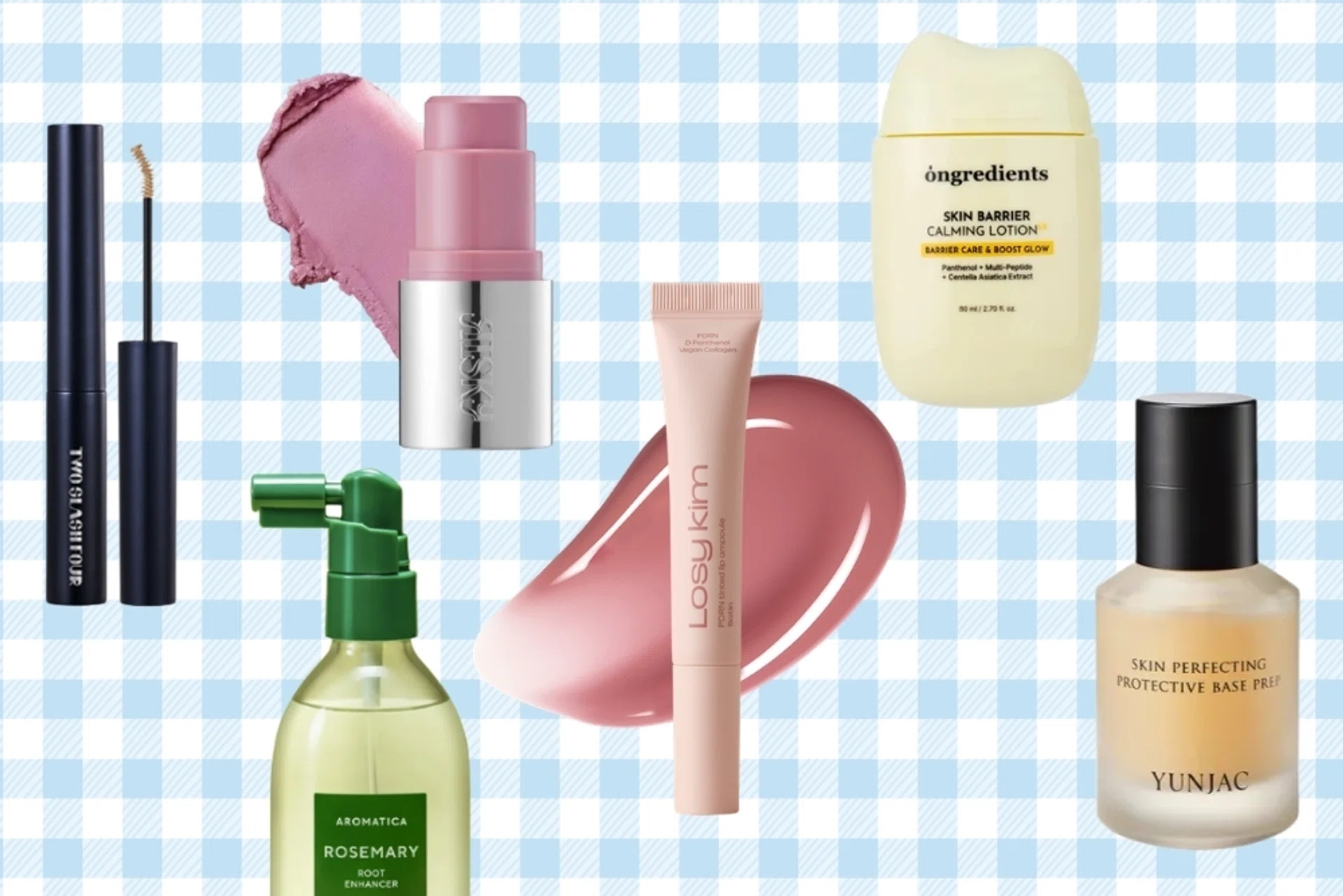
In a busy beauty store in Seoul, the front of a box is built to move quickly: a pale finish, a large ingredient name, a claim that fits inside one breath. The useful reading begins when the box is turned over. Korea's cosmetics rules make that panel a compact record of the product. They do not make it a verdict on whether the product is popular, fresh from the factory, or right for a particular person.
That distinction matters when a travel shopping list is described as a map of what is trending. A shelf can show what one retailer stocked in one branch on one day. A package can document a narrower set of facts. For a visitor working across a language gap, those facts are the firmer place to begin.
The outer carton carries most of the record
Under Korea's current Cosmetics Act, a standard outer package must identify the cosmetic, the responsible business and its address, the amount inside, the batch number, a use-by date or period after opening, the ingredients used, required cautions, and whether the product belongs to the regulated functional cosmetics category. When a bottle or tube sits inside that carton, the inner container still has to carry the product name, business name, batch number, and usable period.
The practical limit is easy to miss. If the carton goes into the hotel recycling, part of the record may go with it. Photographing the back and side panels before discarding the box preserves the ingredient list and cautions beside the batch and date on the inner container. That is more useful than saving a shelf card, which may describe a campaign rather than the object in your bag.
Korean is the governing language for required information, although foreign wording may appear alongside it. An English ingredient name on the front does not mean the cautions or directions will be translated. Translation software can help locate fields, but it can also flatten distinctions between a use-by date, a manufacturing date, and a period after opening. Keep the original panel in the frame.
A date is not a freshness ranking
The law permits either a use-by date or a period after opening. If the latter is used, the manufacturing date must also appear. The period may be written as a number of months or shown with the familiar open-jar symbol. The batch number must be distinguishable from these dates. That is the part to compare if a recall or product inquiry later concerns a particular production run.
None of those marks says that the newest unit will feel better, or that an older-looking box has been improperly stored. They document the maker's usable period and production identity, not the full journey of an individual unit. A sealed carton can still pass from an air-conditioned shop to a warm taxi, a sunny hotel ledge, and a tightly packed suitcase. The printed date does not record those conditions.
For travel, the modest practice is to keep the product shaded, close it cleanly, and note the day it was opened. This is general handling information, not a promise of tolerance. A change in smell, color, separation, or texture can justify pausing use, but appearance alone cannot diagnose contamination or explain a skin reaction.
Functional is a legal category, not a superlative
Korea defines cosmetics as products with a mild action on the human body. Within that boundary, the functional category covers specified purposes, including sun protection, wrinkle improvement, skin brightening, and relief of hair-loss symptoms. A product sold under that category must undergo the applicable review or report process, and its package must state the reviewed or reported effect and directions.
This makes the mark meaningful, but only within its stated lane. It does not document that the product outperforms every ordinary cosmetic, suits every climate, or replaces medical care. Some functional categories must also carry a statement that the product is not a medicine for preventing or treating disease. The calm reading is the literal one: identify the exact function, then stop before extending it.
The full ingredient list has a similar limit. It tells a reader what was used, subject to narrow legal exceptions, but an ordinary list does not disclose every concentration. A familiar featured ingredient therefore cannot establish how the finished formula will spread, dry, sit under makeup, or feel in humid weather. Those are properties of the whole formula and the way it is worn.
Small formats provide less room and sometimes less detail
Packages of 10 milliliters or 10 grams or less, apart from products requiring special caution, may use a reduced set of fields. Testers and samples can do the same. For packages above that size and up to 50 milliliters or 50 grams, some ingredients may be omitted from the package under defined conditions, but the seller must provide a phone number or website for immediate access to the full list, or keep a printed list at the shop.
This is one reason a miniature picked up at the counter may not answer the same questions as a full carton. It is not evidence that the sample is unregulated. It is evidence that the small-package rule is different. If the missing information matters, check it while still in the store, where the linked page or printed material can be matched to the exact item.
A QR code deserves the same restraint. Korea's Ministry of Food and Drug Safety began a cosmetics electronic-label pilot with six companies in 2024. A code can open useful required information, but a code on any given box is not automatically part of that pilot, nor is every product required to carry one. Check the destination and whether it identifies the same product and responsible seller.
A short, non-commercial reading routine is enough:
- Match the product name on the carton and container.
- Find the responsible business, batch number, and usable period.
- Separate the manufacturing date from the use-by date or period after opening.
- Read the stated function and cautions without enlarging the claim.
- Save the full ingredient panel before discarding the carton.
- For a miniature, locate the linked or in-store ingredient record.
This will not produce a universal Korean beauty list. It does something quieter and more reliable. It turns a glossy box into the limited record it actually is, then leaves popularity, feel, climate, and personal tolerance as separate questions. One formula chosen with that distinction intact may be more useful than a suitcase filled by rankings.
Sources: Korea Law Information Center, Cosmetics Act · Korea Law Information Center, Enforcement Rule · Ministry of Food and Drug Safety