Guide
What Salon International's Stage Artists Actually Promise Barbershops
Salon International 2026's Artists on Stage lineup is trade show spectacle, not a preview of what happens in a barber's chair.
Published
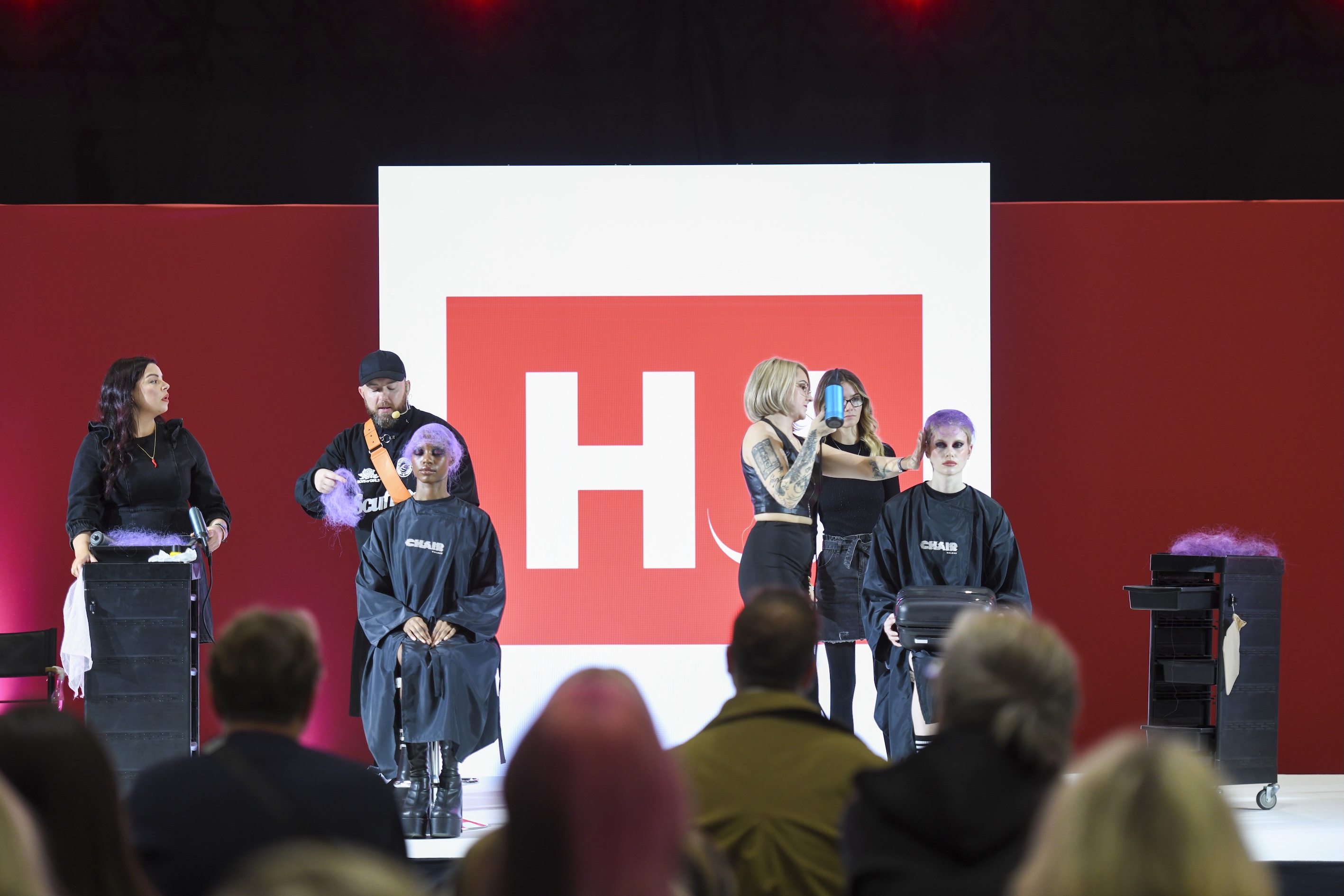
Salon International returns to ExCeL London in 2026 with its long-running Artists on Stage program, according to Hairdressers Journal, the trade title that has covered the show for decades. The format is familiar to anyone who has walked the halls of a British hairdressing trade show: named stylists perform elaborate cuts and colors on a raised platform in front of an audience, often set to music, lighting and a runway-style reveal.
For the barbers and salon owners who read about this lineup, the useful question is not who takes the stage. It is what the stage actually demonstrates. Stage work at trade shows is built for spectacle. The models are prepped for hours beforehand, the color work often involves techniques that need multiple sittings to achieve, and the finished style is judged on how it photographs under stage lights rather than how it holds up after a week of normal wear.
That gap matters most for men's grooming, where the service on offer at a high street barbershop looks nothing like a competition demonstration. A skin fade, a beard trim, or a classic wet shave lives or dies on repeatability: can the same barber recreate a clean line every three weeks without a stage crew resetting the model beforehand. Trade show artistry is a different discipline. It exists to push technique forward and to give stylists a stage to test ideas that may filter down into salons months or years later, not to preview what a client will get in the chair on a Tuesday afternoon.
Salon International has functioned as one of the industry's clearest signals of where hairdressing technique is heading, which is precisely why its stage lineup gets covered as news each year. For a barbershop, the honest takeaway from an event like this is modest: watch for techniques that eventually get simplified into something a working barber can deliver in twenty minutes, and treat everything else as theatre. A fade demonstrated under stage lighting and a fade delivered in a sixty-second mirror check at the end of an appointment are answering two different questions, and only one of them is the service a client actually paid for.
